Cotton vs Handloom Sarees: What Should You Actually Choose?
Let’s get one thing straight—this confusion isn’t because you don’t understand sarees. It’s because people keep throwing around “cotton” and “handloom” like they’re interchangeable. They’re not. It’s like comparing chai with filter coffee—both great, but you don’t pick them for the same mood.
Picture this: it’s a humid weekday, you’ve got errands, maybe work, maybe a casual meet-up. You reach for something that won’t make you feel like you’re wrapped in a curtain. That’s where cotton sarees quietly win the game.
Cotton Sarees
Cotton sarees are the no-nonsense, dependable friend in your wardrobe. They don’t demand attention—they earn it.
They’re lightweight, breathable, and forgiving. You don’t need expert-level draping skills to make them look good. You throw one on, and it just works. Perfect for daily wear, casual outings, even long office days where comfort matters more than drama.
And maintenance? Minimal. No overthinking. No dry-clean anxiety. Wash, wear, repeat.
Best for: Comfort + everyday styling
Now flip the situation. There’s a function. Maybe a pujo evening, a family gathering, or one of those events where you know people will notice what you’re wearing (and pretend they’re not judging).
That’s where handloom steps in.
Handloom Sarees
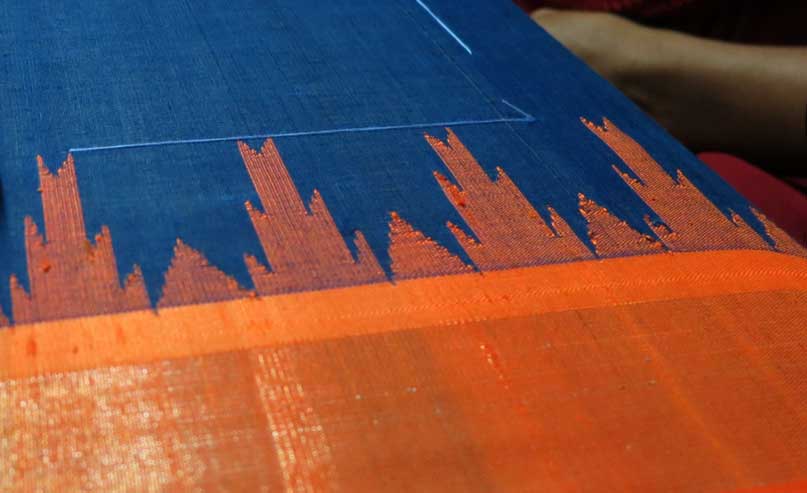
Handloom sarees aren’t just clothing—they carry a bit of story, a bit of craft, and honestly, a bit of attitude.
They have a richer texture, a slightly heavier fall, and a more traditional presence. When you wear one, it shows you’ve made an effort—even if you didn’t spend hours getting ready.
But let’s not pretend they’re effortless. They take a bit more time to drape well. You might need to adjust, re-pleat, maybe even redo the pallu once or twice. But that extra effort? It shows.
Best for: Festive days and special occasions
So, Which One Should You Pick?
Here’s the blunt truth—you’re asking the wrong question.
If you’re choosing based on ease, go cotton. No debate.
If you want to stand out a little, feel a little more “put together,” go handloom.
But if you’re trying to build a wardrobe that actually works in real life, you need both. One for your everyday rhythm, one for your moments.
And if you’re still stuck scrolling and second-guessing, just start with one of each. That’s how most wardrobes quietly become functional without you overthinking it.
You can browse both styles in our saree collection at Adda & Ivory—pick what fits your life, not just your aesthetic.
How to Look Expensive in Ethnic Wear (Even on a Budget)
Let’s kill a myth quickly—looking “expensive” has very little to do with how much you actually spend.
You’ve seen it. Someone in a simple kurti looks incredibly polished, while someone else in a heavily embroidered outfit somehow looks… off. That’s not budget—that’s choices.
Start with Fabric
If you’re serious about looking put-together, stop buying fabrics that shine like plastic under sunlight.
Cotton, rayon, and soft blends do most of the work for you. They fall better, move better, and most importantly—they age well through the day. Especially in Indian weather, where stepping outside can ruin a look in ten minutes, breathable fabrics are your safest bet.
Fit Changes Everything
This is where most people mess up.
You can wear a ₹800 kurti and still look sharp—if it fits properly. Not oversized in the name of comfort. Not skin-tight in the name of style. Clean lines, structured shoulders, and the right length can quietly elevate your entire look.
If needed, get it altered. That small effort pays off more than buying something new.
Keep Colors Simple
You don’t need ten colors fighting for attention.
Neutrals, pastels, earthy tones—these automatically feel more refined. They don’t scream, they don’t distract, and they make you look like you know what you’re doing.
Bright prints are fun, sure. But if your goal is to look polished, restraint works better than chaos.
Don’t Overdo Accessories
This is where people try too hard—and it shows.
Pick one thing. Statement earrings or a bold bag or a standout dupatta. Not all three at once. When everything is loud, nothing stands out.
Final Thought
Looking expensive isn’t about spending more—it’s about editing better.
You don’t need a bigger wardrobe. You need a smarter one.
If you’re building that kind of wardrobe, start with pieces that are easy, versatile, and quietly elevated. That’s exactly what we focus on at Adda & Ivory—clothes that don’t try too hard, but still get noticed.